
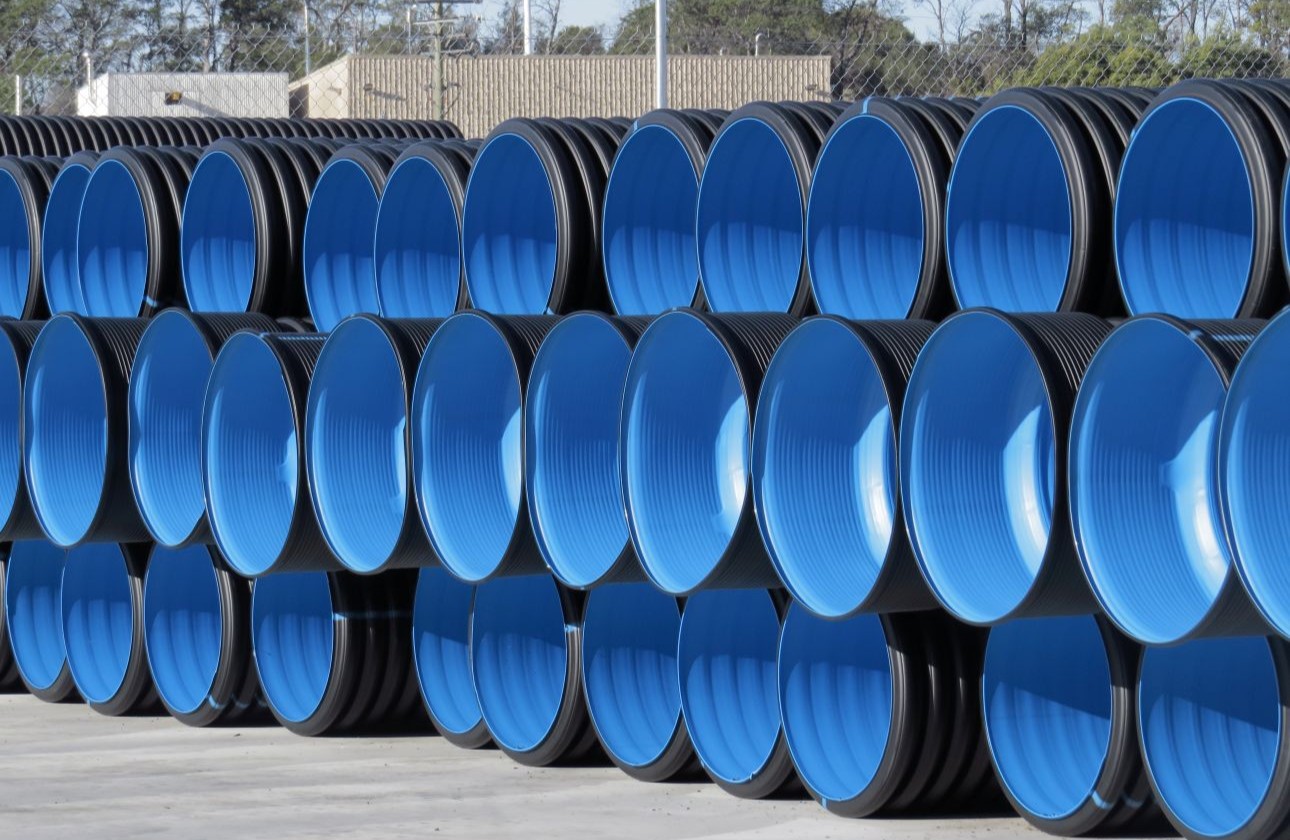
As global infrastructure investment continues to grow sustainability is also becoming an increasingly important consideration in infrastructure design, material selection plays a major role in reducing a project’s environmental footprint. One of the most significant differences between traditional concrete pipe and modern HDPE (high density polyethylene) pip systems lies in their associated CO2 emissions.
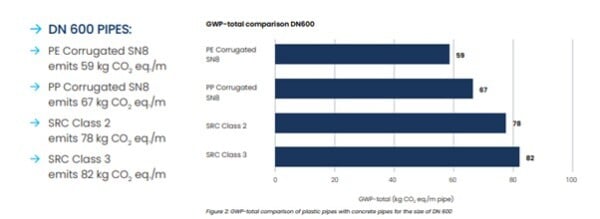
Image source: Pipa Drainage Pipe Comparison Summary Document
The Carbon Footprint of Concrete Pipe
Concrete is a carbon-intensive material. Its environmental impact is driven largely by cement production, which is one of the world’s largest sources of industrial CO2 emissions.
Key contributors to concrete pipe emissions include:
When assessed across its full lifecycle, concrete pipe generally carries a high embodied carbon footprint before it’s installed on site.
Why HDPE Pipe Products Lower CO2 Emissions
HDPE pipe systems offer a markedly different environmental profile, particularly when lifecycle emissions are considered.
Key advantages of HDPE:
In many applications, these factors combine to significantly reduce overall CO2 emissions compared to concrete alternatives.
Installation and Lifecycle Benefits
Beyond manufacturing, HDPE pipe continues to deliver sustainability benefits throughout its service life:

Corrutech is Tefco Piping Systems’ range of twin wall corrugated stormwater pipes, manufactured from high-density polyethylene (HDPE) for strength, durability, and long-term reliability. Designed to perform in harsh conditions, Corrutech is widely used for stormwater drainage, road crossings, culverts and bridge replacements.
Learn more