
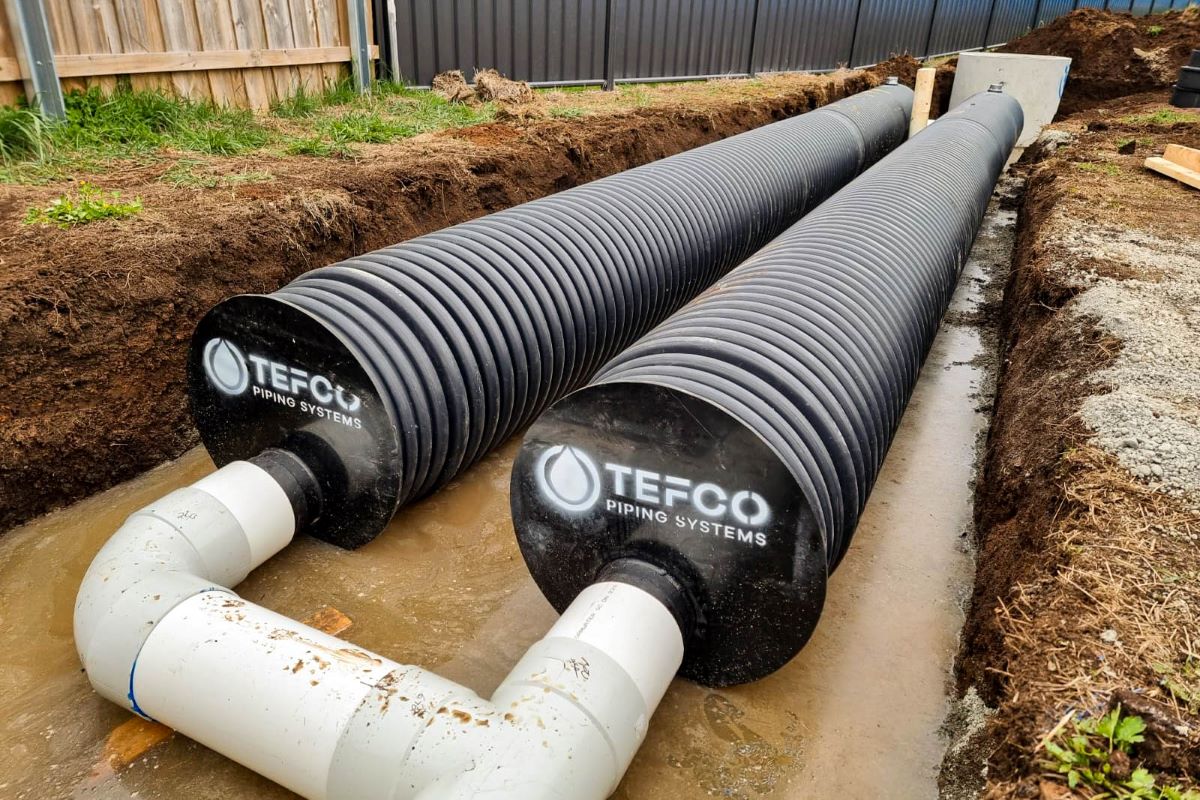
Stormwater detention systems play a crucial role in managing rainwater runoff, particularly in urban and high-density areas where natural absorption is limited. By temporarily storing excess water and gradually releasing it into drainage systems, these tanks help prevent flooding, reduce strain on infrastructure, and protect waterways from erosion and pollution.
For civil and construction projects, stormwater detention isn’t just a regulatory requirement, it’s a key aspect of responsible water management and environmental sustainability. However, ensuring compliance with regulations can be complex, as requirements vary across different regions and project types.
Regulatory compliance is essential for safeguarding public safety, protecting the environment, and maintaining long-term infrastructure integrity. Regulations typically govern factors such as:
Engage experienced engineers, environmental consultants, and regulatory specialists early in the project. Their knowledge helps navigate local compliance requirements and tailor solutions to site-specific conditions.
Stormwater regulations vary by region and evolve over time. Keeping up to date with changes ensures compliance throughout your project. Engaging with local councils or regulatory bodies early can also help resolve potential issues before construction begins.
Site conditions, land use, and environmental factors all influence stormwater detention requirements. Using adaptable designs ensures your system meets current regulations while allowing for future adjustments if needed.
Stormwater detention tanks require ongoing maintenance to remain effective. Routine inspections help identify and address potential issues such as blockages or structural wear before they become compliance risks.
Detailed records of design approvals, inspections, and maintenance activities provide proof of regulatory adherence. This documentation is essential for audits, project reviews, and long-term system management.
Working with a trusted stormwater detention system provider ensures that your project meets regulatory requirements while delivering long-term performance and reliability. A reputable provider will offer:
By taking a proactive approach to compliance and partnering with experienced professionals, your stormwater detention system can contribute to sustainable development, prevent costly setbacks, and enhance community resilience against extreme weather events.

Corrutank is a purpose-designed, modular underground tank system manufactured from twin wall HDPE pipe. Engineered for stormwater detention, retention and re-use, Corrutank provides a durable, lightweight, and space-efficient alternative to traditional concrete tanks. Each system is tailored to site-specific requirements, with custom fittings and access points. Designed to withstand load-bearing environments, Corrutank can be installed beneath roads, car parks, or landscaped areas without compromising structural performance or flow efficiency.
Learn more